Your Custom Text Here

Creating a Writing Routine
I’m not a believer in the “write every day movement.” I’m not a believer in writing processes as movements in general. Writing is about having a unique voice—one that cannot be cultivated by following everyone else’s writing routine.
How do you make and master a writing routine?
Some zoologists believe that cats sleep so much because they expend so much energy in their short bursts of activity that they exhaust themselves. Or, they are so efficient in their brief time awake, they can afford to sleep.
Although not always efficient, I liken my writing process to a cat’s daily routine: furious energy bursts, often in the middle of the night, followed by sudden dormancy. My writing routine consists predominantly of naps.

I’m not a believer in the “write every day movement.” I’m not a believer in writing processes as movements in general.
Writing is about having a unique voice—one that cannot be cultivated by following everyone else’s writing routine.
Stephen King, for example, writes every day. He has time set aside every morning. But Stephen King made almost half-a-million dollars from his first book. If you work a full-time job outside of your writing (or even a part-time job), you may not be able to carve that kind of time out of your day—but you probably don’t need to. In fact, I’d advise against it.
Writing every day can get tiring, and practice only yields success if it’s done correctly. Playing piano every day won’t land you a solo with the New York Philharmonic if your fingering is off. It can actually be detrimental—habits are hard to break.
I, on the other hand, write in sporadic bursts, but I’m convinced that the latent stretches between my productive phases are where I draw my energy. It’s like a permanent cycle of procrastination: if I wait long enough, I have to write.
How do you find your writing routine?
Observe yourself. Determine how often you write without prompting. Look at the body of work you’ve produced so far. You’ll get a sense of how you already work and what you want to accomplish. You only need to develop a routine that will help you reach whatever goals you set.
Figure out how you are already writing and where you are trying to go. If you write five pages once a week, that might be enough. If you’re working toward a 500-page novel, you may need to adjust.
Find the time of day that works best. I’ll never be a morning person. Will you?
Exercise. Really. Get adrenaline going. Be healthy. It helps motivate you to write—and to do just about anything else.
Enlist friends. Make a firm writing group commitment so you’ll be embarrassed if you show up with nothing. At the very least, they’ll be there to put off writing by sending each other cute animal pictures.

Dealing With Rejection
Although we often view it as an end goal, getting published is a relatively small part of the battle for success as a writer. The path to publication is made up almost entirely of rejection. The more progress you make toward publication, the more rejection you’ve undoubtedly trudged through.
Although we often view it as an end goal, getting published is a relatively small part of the battle for success as a writer. The path to publication is made up almost entirely of rejection. The more progress you make toward publication, the more rejection you’ve undoubtedly trudged through.
How do you deal with rejection, even when it seems insurmountable?

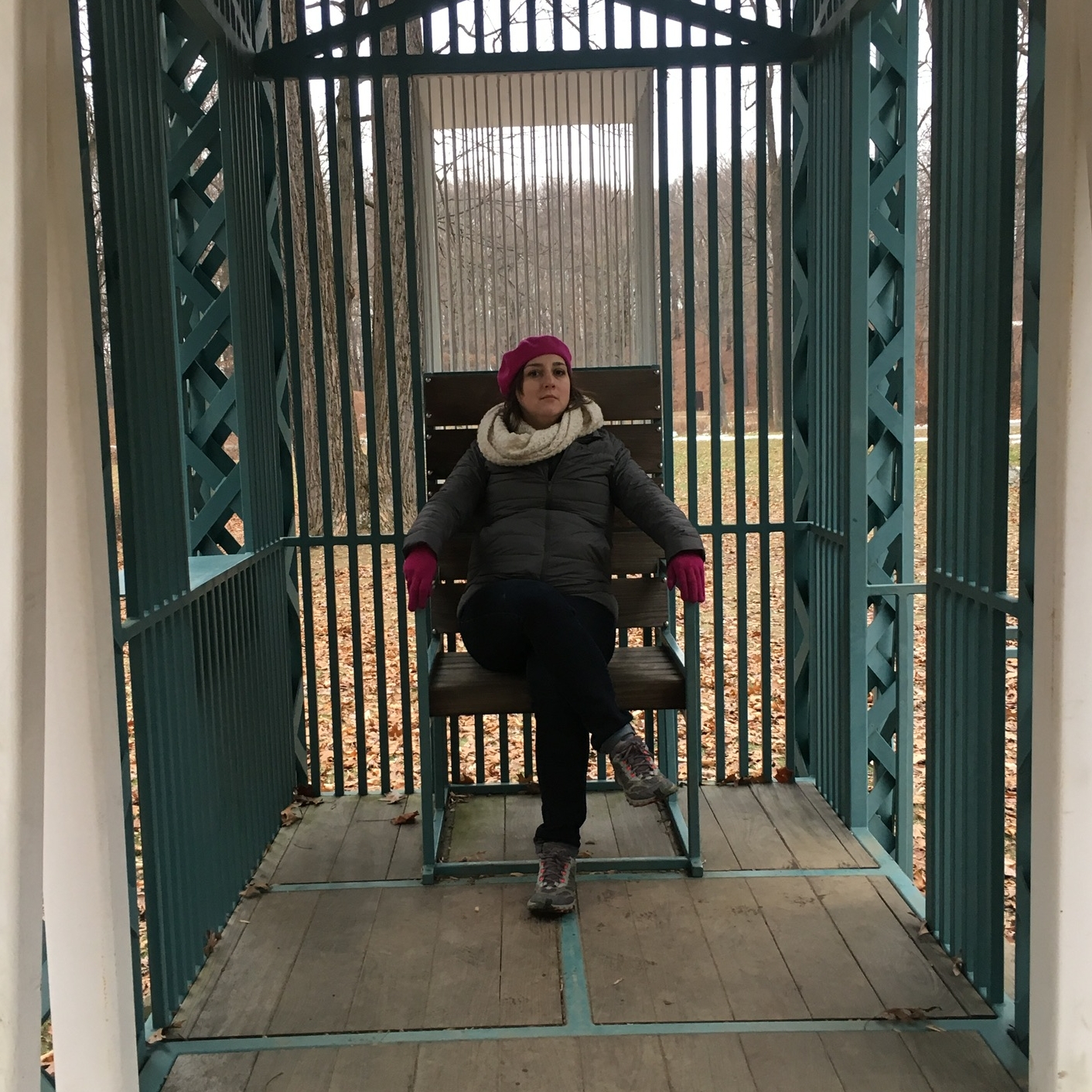
Photo by Amanda Sabater
Frame it as a step in the process rather than failure.
Each publication is like a single pushpin on a barren world map. It’s one tiny yellow dot on the other side of an ocean. There are so many other places you want to go, but even when you’ve put in the time, you can’t always manage the trip.
But focus on that yellow pushpin, and not the emptiness around it—you’d never get to see the world if you only looked at what you can’t do. The ocean seems daunting until you fly across it.
Every rejection is just one more hour in flight. You can bide the time with a modest, but eclectic selection of films, or a book, or an uncomfortable nap. You will land eventually.
Soon, you’ll get a second pushpin. And a third. And one day, you’ll have seen the world. And remember: as far as publication goes, the only deadlines are what you set for yourself. There’s no rush!
Sure, metaphor is great and all, but here are some actionable steps:
1) Delete those rejection emails right after you read them. Remember—focus on the successes you have, not the failures you’ve invented.
2) Try to find something they’ve published that you think is awful. It’s like when you find out the last person you dated is now seeing someone less attractive than you. Sure, it’s shallow, but you have to keep a sense of humor about this.
3) Keep a record of your publications, or even just your thoughtful rejections that came with positive feedback. Perhaps it could even be a map with pushpins in it. It helps to have an accessible reminder of your achievements.
4) Send it right back out. After a rejection, I’ll often go back to Submittable, or talk to my friends, or search Poets & Writers for more literary journals that might want the piece and I’ll send it right back out. Sometimes to three more places. It keeps me moving forward. And if it comes back with another “no,” well then I start again.
And soon…VICTORY.
Photo by Amanda Sabater.